


A quality real leather jacket is not just any garment; it is an investment, a statement, and with the right choice may be a constant in your wardrobe for life. In the sea of fast fashion that is the UK it is very hard to tell the difference between true high grade leather and its cheaper mass produced counterparts. Many brands use smart marketing ploys and synthetic finishes to pass off low quality materials as the real thing which is why it is so important to know what you are buying into before you spend your hard earned money.
This in depth guide will see you through to becoming an expert in what truly is high quality. As you shop at exclusive London stores, peruse for that rare vintage find, or purchase a classic everyday piece like an Express Jacket, what you will take away from this is the same. By looking at the details in leather grades, stitch work, hardware, and linings we will arm you with the info to choose a Classic Leather Jacket that only improves with wear.
1. the First Touch: Texture, Weight, that Signature Scent
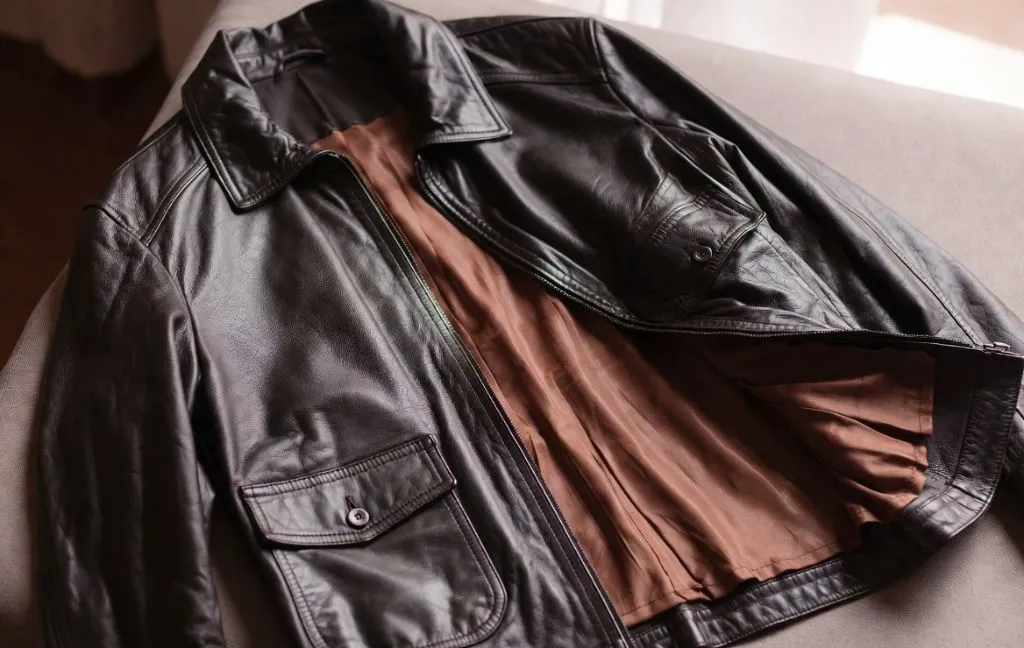
Genuine high quality leather you can tell right away by how it presents to your senses. It will never have that completely synthetic plastic feel or look of being too machine finished. Instead it has a natural warm to the touch and textured feel. Though different hides lamb, cow, goat have their own properties what quality leather does have in common is that it still has that which is naturally unique.
- Texture and Grain: High quality leather will generally have flaws. If a jacket has a completely flaw free, uniform surface which is the same across all panels it is probably low quality, corrected a great deal, or is synthetic. What you see as imperfections in the leather are in fact what we see as signs of quality. These may include natural marks, fine lines, and pores. They are not defects but rather the signs of a real, long wearing material. At Express Jackets we take pride in our high end products which we present with their natural variations that add a unique character to each piece.
- Weight and Substance: Quality is of the essence. While a lightweight lambskin jacket is a great option for its softness, a high quality cowhide or horsehide jacket should present with a certain heft. It should have a robust and solid feel which in turn gives a feel of protection and durability. If a jacket feels out of the ordinary light and flimsy in feel, it is usually a sign that the leather is either very thin or in worst case, fake.
- The Scent Test: Never dismiss the power of your nose. Real leather has a rich, natural, and a little earthy smell which is also very pleasant and a sign of quality. With faux leather instead you get that of chemicals, plastic or petroleum. Although at times heavy chemical treatment may cover it up the true smell of the real leather can not be replicated.
2. Understanding Leather Grades: What It Is That You’re Buying
To determine what is right for you, learn how leather is evaluated. That which is put forth in to the market also determines a jacket’s price as well as how it looks and wears.
- Full-Grain Leather (The Holy Grail): This is the best and most durable grade which we have. We use the full thickness of the hide which includes the top layer where the fibers are at their strength and density. Full grain leather isn’t sanded or buffed out which in turn allows all the natural variations and marks to stay. What full grain is known for is that it develops a great patina over time, it darkens and becomes softer with age. This is the choice for a piece you want to last a lifetime.
- Top-Grain Leather (The Premium Choice): This is what you will see in the majority of high end fashion which is top grain leather that offers a great balance of quality and refinement. We take the top layer of the hide and sand and buff out the imperfections which in turn gives you a more even, smoother look than full grain. Although it is a little thinner and more flexible it still is very durable and of high quality. Top grain leather also does not stain as easy and is the choice for a more tailored look and style. Many brands including Express Jackets use premium top grain leather to give that luxury feel but at the same time not sacrifice durability.
- Genuine Leather (The Trap): Be very careful with items that are labeled as “Genuine Leather”. In the trade this term is used to identify the lowest grade of real leather. It is what remains of the hide after the best layers have been taken. That which is left is weak, dull and does not have natural grain. Then manufacturers will “correct” it by putting on a fake grain design and heavy applications of paint and plastic. While it is true that it is real leather, it does not have the strength, texture and character of top or full grain grades.
- Bonded Leather (The Imitation): This isn’t real leather. We are talking about products which are made from shreds of leather and fibers that are held together by polyurethane and other binders which are then coated with a synthetic top finish. They peel and crack very easily and we advise you to stay away from them if you are in the market for quality or durability.
Express Jackets: A Dedication to Quality
Q: How do Express Jackets ensure the quality and authenticity of their leather?
A: At Express Jackets there is no room for fake or durable pieces. We exclusively use premium top grain leather for our core products which at purchase gives a very soft and luxurious feel to the piece but also has the wear and tear resistance to last for many years. We go for materials that improve with age which we do not coat heavily with synthetic finishes that cover up natural marks. This we do to make each piece develop its own unique character and patina over time which in turn becomes a true extension of the owner’s story and style. By using high grade hides and paying close attention to quality we at Express Jackets present to our UK customers a sure thing in terms of getting a real, long term investment piece.
3. The Devil in The Details: Stitch Work, Hardware, and Durability
A quality leather hide is for naught if the craftsmanship is below par. What the jacket has to offer in terms of details is a better indicator of its true quality and intended lifespan which in turn may not be that which is put forth by the brand name.
- Stitching: This is what we may consider the most important element in terms of structure. In a low quality jacket you will see thin, irregular stitching which also includes loose threads. The holes may be uneven which in turn creates weak points where the leather gives way to tear. As opposed to that, in a high quality jacket which may be a performance or motor cycle style as offered by Express Jackets we see perfect, tight and even stitching. Also look for double stitching at the points of greatest tension which are the shoulders, the pockets, and side seams. That which which does that also serves to reinforce the garment, which in turn prevents blow outs and also see to it that the jacket will stand the test of time for years of use.
- Hardware: The zippers, buckles, and snaps should have a heavy, smooth, and comfortable feel to them. In general a quality jacket will use zippers from well known manufacturers like YKK or Riri. The metal should have a uniform finish which could be of brushed steel, brass or gunmetal and should operate perfectly without stickiness or catching. Low quality jackets tend to use cheap heavy which in turn uses hardware that is brittle and breaks easily, tarnishes or changes color very fast.
- Linings and Pockets: The inside out is just as important as the outside. A cheap jacket may have a thin polyester lining that which tears easy and causes you to sweat. In contrast high quality linings are made from durable and breathable materials like cotton, viscose or silk blends. Also in terms of build quality which goes into the jacket’s structure, pay attention to the linings of the pockets. They should be made of strong fabric and the pocket openings should be reinforced with leather piping or bartack stitching to prevent sag or tear. For that which we see in Express Jackets which is truly exceptional finish, look to have the lining “bagged” (fully attached at the hem) in the jacket which in turn greatly adds to the jacket’s structural integrity.
Frequently Asked Questions (FAQs)
Q1: Is it worth buying a vintage leather jacket?
A: Yes a vintage leather jacket is a great choice as they bring to the table unique styles, high quality workmanship, and durability which current pieces may not.
Q2: How much should I expect to pay for a quality real leather jacket?
A: In the UK if you are looking for a high quality leather jacket you will find that they range from £150 to over £400 which also depends on the brand, leather type and workmanship.
Q3: How do I properly care for a new real leather jacket?
A: To take care of your new real leather jacket do this: keep it dry, store it on a wide hanger, stay clear of direct heat, and from time to time use a leather conditioner to keep it soft and supple.
Q4: How long should it take to “break in” a high-quality leather jacket?
A: A high quality leather jacket may take from a few weeks to a couple of months of normal wear to break in and soften to your body shape.
Q5: Is a button closure better than a zipper for a long-lasting leather jacket?
A: Neither is out to last the other in terms of durability it is which you use that counts. Zips do a better job with wind protection and secure closure, but buttons are easier to repair and less to break which may be over time; also they will do the same long term if made well and cared for.
Conclusion
In the UK when it comes to choosing a quality leather jacket you must have a sharp eye and confidence to go with your instincts which may contradict what the marketing is telling you. By looking at the texture, weight, leather grade, stitching, and hardware you can make a purchase which is not a trend at the time fashion but a piece that will be a staple in your wardrobe.